How Lightning Changes Wood: Carbonization, Grain, and Figure
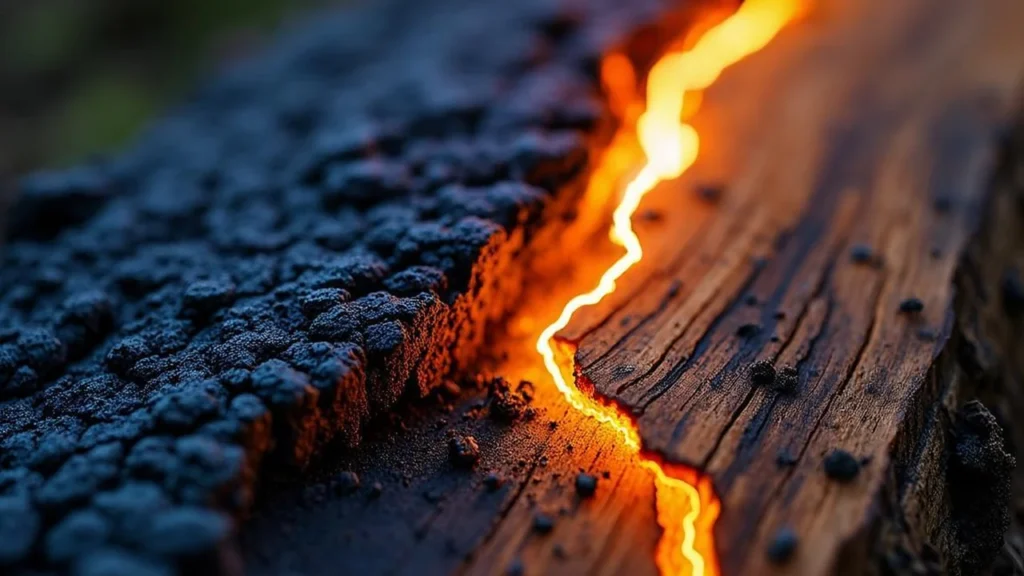
How lightning changes wood: a carbon crust, a heat-browned band, a furrow along the grain — what each change means for carving and collecting.

How lightning changes wood: a carbon crust, a heat-browned band, a furrow along the grain — what each change means for carving and collecting.

Lightning-struck wood vs petrified wood: one keeps a burn scar, the other turned to stone. How each forms, how to tell them apart, what each is for.

A buyer’s checklist for lightning-struck wood: how to read the scar, which specs a listing should state, what prices run, and which claims can’t be proved.
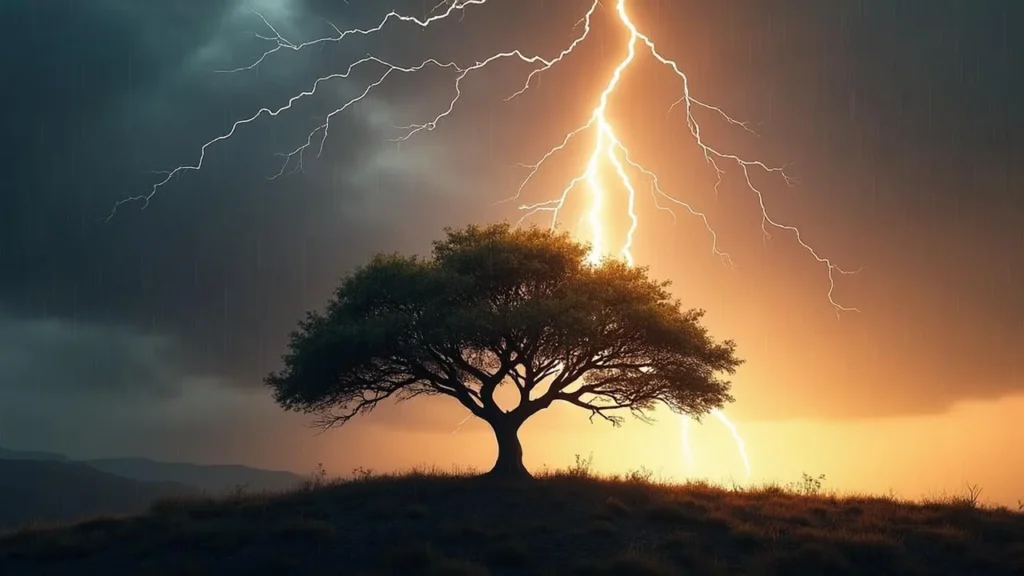
Thunder-struck wood and lightning-struck wood are the same thing — one material, many names. Where leiji mu, thunderwood, and thunder god wood fit, in plain terms.

Can a tree survive a lightning strike? Yes — some do. How the current damages a trunk, why some trees die, and how the scar becomes lightning-struck wood.
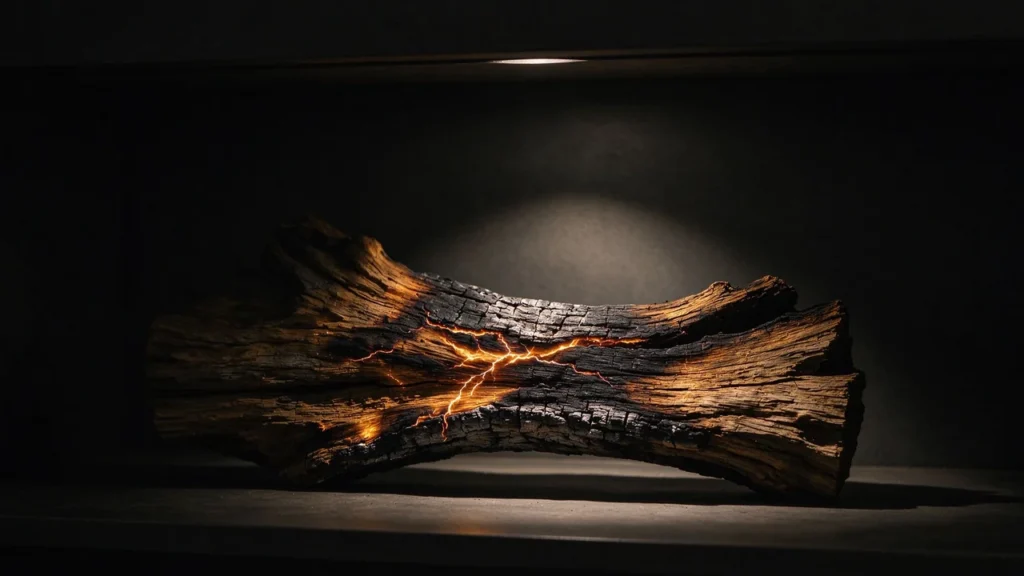
Lightning-struck wood is rare by nature, not by marketing: the sky and the tree both have to pass. The numbers behind the scarcity — and what its value rests on.

How to make a car charm at home: cord choice, anchor knots, bead logic, and the one material you can’t buy at a craft store.
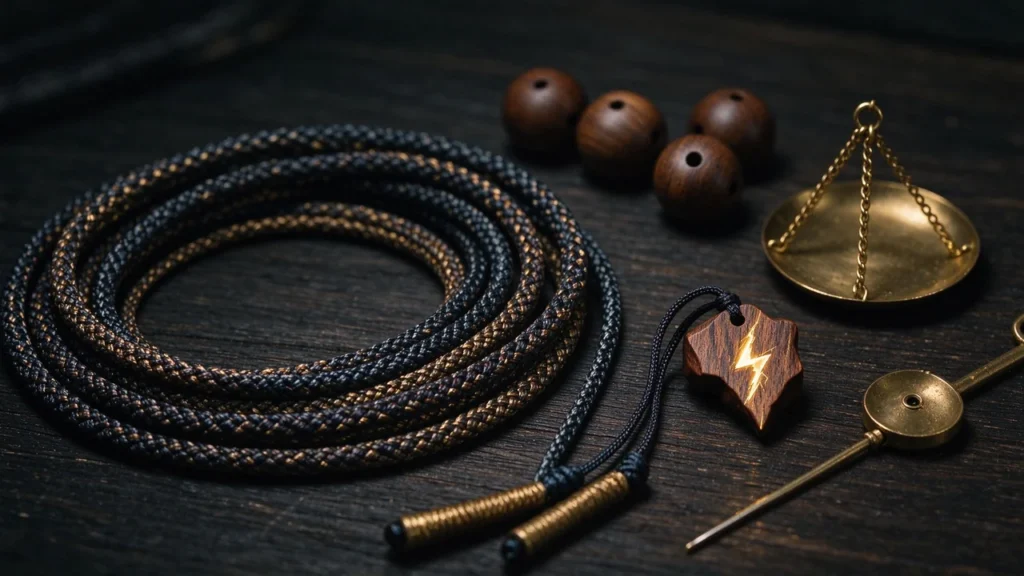
A practical field guide to car charms for rear view mirrors: weight, cord, materials, and the story behind lightning-struck jujube wood.

Jujube wood explained: the tree, its slow growth and dense grain, its role in Chinese craft, and why thunder-struck pieces are rare.

Five commonly cited signs of real lightning-struck wood — grain, carbon layer, density, uniqueness — and the water test to skip.